Complete Guide to Cardboard Boxes for Fruit and Vegetables
Eco-Friendly Personalized Produce Boxes: Freshness Shipped Sustainably
Eco-friendly personalized produce boxes mark a significant shift in food delivery methods. They focus on both quality and sustainability, tackling increasing consumer concerns. These boxes, designed for various fruits and vegetables, cut down on spoilage through innovative designs. Made from recyclable and biodegradable materials, they show a dedication to environmental responsibility. As more consumers look for sustainable options, comprehending the impact of these boxes becomes essential. What implications do they hold for the future of food packaging?
Grasping Eco-Conscious Custom Produce Boxes
Eco-friendly bespoke fruit and vegetable boxes can be customized to particular dimensions and styles, accommodating different kinds of fruits and vegetables. This personalization not only improves the aesthetic appeal but also ensures ideal protection during shipping. Additionally, the application of natural inks and adhesives aligns with eco-conscious values, reinforcing the commitment to environmental responsibility.
The Advantages of Environmentally Responsible Custom Produce Boxes
Custom produce boxes deliver abundant perks that exceed basic operation. Specifically, they enhance product freshness by offering outstanding protection during conveyance, therefore lowering decay and waste. These boxes are built to hold various configurations and sizes of produce, ensuring that items keep safe and undamaged.
Additionally, environmentally conscious personalized vegetable containers encourage sustainability. Constructed with reusable or compostable substances, they minimize ecological footprint and appeal to eco-conscious customers. This aligns with increasing market demand for sustainable practices in food sourcing and packaging.
Moreover, personalized designs allow companies to reinforce their brand identity. Distinctive packaging can attract attention and foster client retention, setting apart one item from another in a competitive market. Overall, the benefits of eco-friendly custom produce boxes lead to a more sustainable food system while enhancing the consumer satisfaction.
What Materials Serve in Eco-Conscious Produce Boxes?
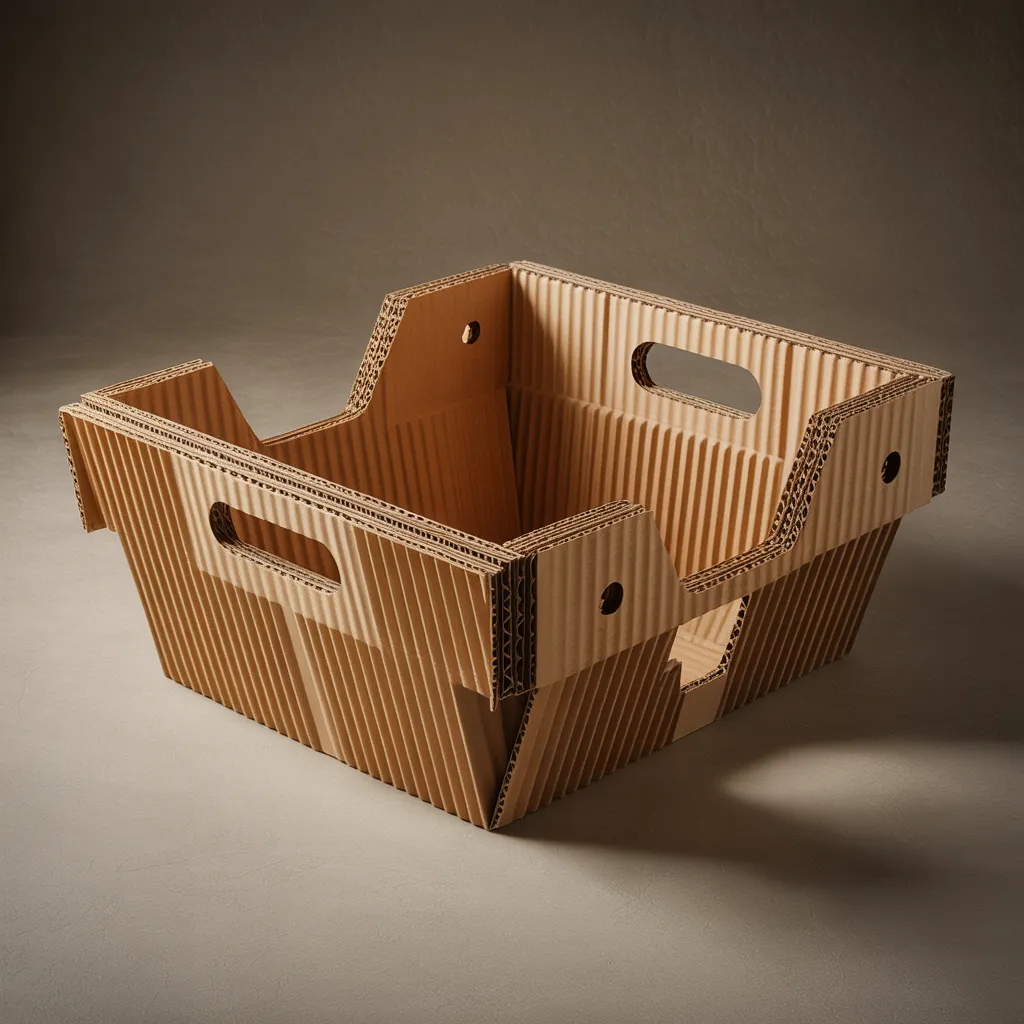
While numerous materials can be utilized for agricultural packaging, those created with sustainability in mind often include choices like reclaimed cardboard, corrugated paper, and biodegradable plastics. Recycled cardboard is a popular choice due to its minimal weight and capacity to be reused multiple times, decreasing overall waste. Wavy paper provides structural integrity, making it suitable for moving substantial goods while continuing to be eco-friendly.
Biodegradable plastics, commonly created from plant-based materials, present a viable substitute to traditional plastics, decomposing more swiftly in natural environments. Additionally, some eco-friendly produce boxes employ sustainable inks and adhesives, further minimizing their environmental impact.
These materials not only guarantee the freshness of the produce but also align with the growing consumer demand for eco-friendly packaging options. By selecting these eco-conscious options, manufacturers add to a closed-loop system, promoting a greener planet while providing fresh products directly to consumers.
Biodegradable versus Recyclable: Which is Better?
The debate about biodegradable and recyclable materials in environment-friendly produce boxes focuses on the environmental effects and durability of each. Biodegradable options naturally decompose, potentially lowering landfill detailed guide waste, whereas recyclable materials can be reused but often need energy-intensive processes. Knowing these details is crucial for consumers aiming to make environmentally responsible choices.
Environmental Effects Comparison
When considering the environmental impact of packaging options, the choice between biodegradable and recyclable materials often comes up as a critical consideration. Biodegradable materials break down organically, reducing landfill waste and improving soil health. However, their breakdown needs specific conditions, which may not always be met in typical waste management systems. In contrast, recyclable materials can be processed and reused, reducing the need for virgin resources. Nevertheless, their recycling efficiency depends heavily on local infrastructure and consumer participation. Each choice has its benefits; biodegradable materials benefit the environment in the long term, while recyclable materials can be more beneficial in conserving resources. Ultimately, the decision relies on specific contexts, including local waste management capabilities and user behavior.
Material Resilience Aspects
Determining material durability is key to figure out whether biodegradable or recyclable options are more suitable for eco-conscious produce boxes. Biodegradable substances, including plant-based plastics, naturally decompose over time but might need certain environmental conditions to break down effectively. Conversely, recyclable materials like cardboard and selected plastics can be recycled multiple times, thereby reducing waste. Yet, the recycling process uses energy and resources, which shapes their sustainability profile. The choice between these options often depends on the intended box usage and the local waste management systems. Ultimately, understanding these durability factors assists consumers and businesses in making educated choices that align with their eco goals while maintaining the freshness of the produce.
Green Containers and the Manner They Help Regional Agricultural Producers
Sustainable packaging changes the way local farmers distribute their produce, creating a direct link between eco-friendly operations and consumer preferences. By utilizing biodegradable and recyclable materials, farmers can enhance their brand image and appeal to a expanding market segment that emphasizes sustainability. This shift not only promotes eco-friendly initiatives but also builds community loyalty, as consumers are more likely to support farmers who share their values.
In addition, sustainable packaging typically improves the longevity of products, making sure that produce stays ripe during transit and at point-of-sale. This can lead to higher sales and reduced spoilage, benefiting local economies. Implementing eco-friendly practices additionally opens opportunities for collaboration with local businesses and markets, fostering a circular economy.
This way, responsible packaging practices provides an indispensable asset for farm operators in the region, supporting them to flourish while also strengthening environmental stewardship and community well-being.
How Environmentally Conscious Materials Minimizes Food Waste
Eco-friendly packaging serves as a substantial role in decreasing food waste, complementing the efforts of local farmers who adopt sustainable practices. By using biodegradable and recyclable materials, these packages minimize environmental impact while ensuring that produce remains fresh for longer periods. Properly designed packaging assists in avoiding spoilage during transportation and storage, tackling a critical point in the supply chain where food is often lost.
Moreover, eco-friendly options typically contain ventilation and moisture control, which are essential for preserving the excellence of fruits and vegetables. This not only extends the longevity of shelf life but also encourages consumers to purchase more produce without the fear of it going bad. As a result, the use of ecological packaging contributes to a circular economy by promoting responsible consumption and reducing the overall volume of waste generated. In turn, this fosters a more conscientious food system that benefits both consumers and producers alike.
Guidelines for Preserving Quality in Your Produce Delivery
To ensure the highest freshness of produce deliveries, consumers should pay attention to storage conditions immediately upon arrival. First, it is vital to unpack the items promptly and assess their condition. Leafy greens and herbs thrive in a cool, humid environment, so storing them in the refrigerator's crisper drawer is advisable. Conversely, fruits like bananas and avocados may require room temperature to ripen properly before refrigeration.
In addition, consumers should divide ethylene-producing fruits, such as apples and tomatoes, from tender produce to avoid early rotting. Good ventilation is also critical; keeping produce in ventilated bags can help retain freshness.
Regularly examining the items for indicators of decay ensures that any affected produce is removed before it impacts others. Finally, consuming produce within its ideal time frame enhances taste and nutritional content, assuring that the benefits of sustainable delivery options are fully realized.
Frequently Requested Questions
How Can I Personalize My Eco-Friendly Produce Box?
To customize an eco-friendly vegetable box, one can choose favorite produce items, designate container dimensions, choose delivery frequency, and select sustainable packaging options, ensuring a personalized and eco-aware service suited for individual preferences.
Do Size Alternatives Exist for Diverse Produce Types?
Yes, different sizing possibilities exist to support varied kinds of produce. These sizes serve customer choices and quantities, confirming that customers receive the ideal covering for their exact needs and items.
May I Procure These Boxes in Bulk?
Yes, bulk orders of the boxes are ready. Customers can decide on various quantities to align with their needs, guaranteeing that they have sufficient supply for their produce while advancing sustainability in their packaging choices.
Are Environmentally Responsible Vegetable Containers Outfitted With Insulating Protection?
Eco-friendly produce boxes typically include insulation to keep temperature stable and freshness during transit. This feature guarantees that perishable items remain safeguarded, improving their quality while adhering to sustainable packaging practices in the delivery process.
What Is the Standard Delivery Time for These Boxes?
Commonly, delivery times for these boxes range from one to three days, depending on the location and the service provider. Customers can receive timely arrivals to guarantee excellent quality for the produce inside.